The best way to learn how to choose a toilet is to match the fixture to your bathroom space, rough-in, household needs, and plumbing system. Compare bowl shape, seat height, water use, flush power, cleaning needs, and replacement parts before selecting a model.
A toilet may look simple, but small details affect comfort and daily use. The wrong size may block a door. The wrong rough-in may not fit the drain. A poor match can also lead to repeat repairs or a hard installation.
Hudsonville Plumbing helps homeowners understand these choices before fixture work begins. This planning can also help landlords, tenants, business owners, and property investors avoid common plumbing problems in Hudsonville.
Table of Contents
- What should you consider before choosing a new toilet?
- What types of toilets are available for residential bathrooms?
- How do you choose the right toilet size and rough-in?
- Which toilet height is best for your household?
- How much water should a new toilet use?
- What flushing system should you choose?
- How can you compare toilet flushing performance?
- Which toilet features are worth considering?
- When should you replace a toilet instead of repairing it?
- How do you choose and install the best toilet for your home?
- Frequently Asked Questions
What should you consider before choosing a new toilet?
Start by checking the bathroom space and existing plumbing. A new toilet should fit the room, connect to the drain, and suit the people who will use it. Measure before shopping instead of choosing a model only for its style.
Measure the bathroom space and existing plumbing
Measure from the finished wall behind the toilet to the center of the floor bolts. This measurement is called the rough-in. It shows which toilet models can connect without moving the drain.
Check the room from side to side and front to back. Measure the space between the toilet and nearby walls, cabinets, tubs, and sinks. Make sure the bowl will not block the bathroom door or a drawer.
Inspect the toilet flange before ordering a fixture. A closet flange is the fitting that joins the toilet to the drain and holds it to the floor. A damaged, loose, or poorly placed flange can cause leaks even when the toilet is new.
Set priorities for comfort, performance, and water use
List the needs of the household first. Comfort may matter most in a main bathroom. Easy cleaning may matter most in a rental. Strong flushing may matter most in a busy family home or business restroom.
The toilet should also match the plumbing system. A standard gravity toilet works well in many homes. A pressure-assisted model may suit a property where strong flushing is important, but it may make more noise.
Read the maker’s installation guide before buying. It can confirm rough-in details, supply connections, seat fit, and needed clearances. These checks can prevent a return or a difficult installation.
Hudsonville Plumbing can help Hudsonville homeowners compare features that fit the property. Local advice is useful when the drain, flange, supply line, or bathroom floor has an unknown past.
What types of toilets are available for residential bathrooms?
The main styles are one-piece, two-piece, and wall-hung toilets. Bowl shape also affects space and comfort. The best type depends on the room, cleaning habits, plumbing layout, and household needs.
One-piece, two-piece, and wall-hung toilets
A two-piece toilet has a separate tank and bowl. It is common in American homes and comes in many models. If one part needs replacement, the parts are often easy to find.
A one-piece toilet joins the tank and bowl into one unit. It has fewer seams, which can make cleaning easier. It may also feel more solid, but its weight can make handling harder during installation.
A wall-hung toilet attaches to a frame inside the wall. The tank stays hidden, and the bowl sits above the floor. This can make floor cleaning easier, but it needs special framing, access, and matching parts.
A wall-hung toilet is not a simple replacement for a floor-mounted model. The carrier frame, drain position, water connection, and finished wall must be planned before work starts.
Round-front, elongated, and compact toilet bowls
Round-front bowls usually take less space from the wall toward the door. They can work well in a small powder room or an older bathroom with little clearance.
Elongated bowls are longer and often give more sitting room. Many adults find them more comfortable, but they need more space in front of the toilet.
Compact elongated bowls offer some comfort of an elongated bowl with less projection. The exact size changes by model, so check the product drawing before buying.
Choose the bowl shape only after measuring. A toilet that feels right in a store may not work beside a door, cabinet, or shower.
How do you choose the right toilet size and rough-in?
The right toilet fits the rough-in and leaves safe space around the fixture. Measure the rough-in from the finished wall, not from the baseboard or an unfinished wall.
How to measure the toilet rough-in
Remove the tank lid and find the floor bolts at the base. Measure from the finished wall behind the toilet to the center of one bolt. Do not measure from the trim if the baseboard leaves a gap behind the toilet.
If the toilet is already removed, measure to the center of the drain opening or flange bolts. Record the measurement with care. A small error can make a replacement hard to install or leave the tank too close to the wall.
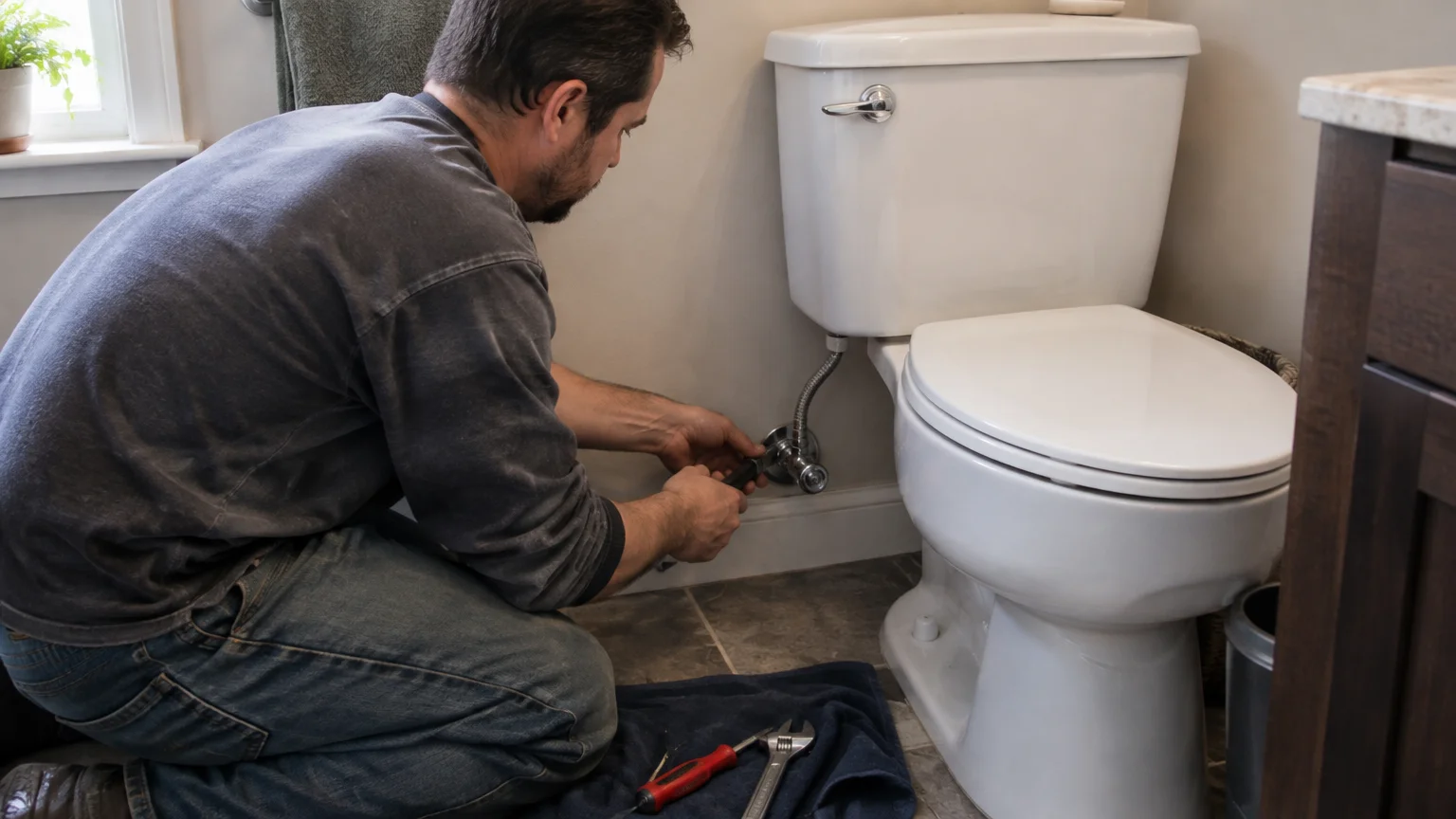
Locate the supply line as well. Its position can affect the base, access panel, and shutoff valve. A hard-to-reach shutoff valve can make later toilet repair more difficult.
Some homes have older drain positions, uneven floors, or unusual layouts. A plumber can check these conditions before you buy a fixture. This is helpful when a closet flange repair kit may be needed.
Clearance requirements for walls, doors, and nearby fixtures
A toilet needs open space in front and beside the bowl. Local building rules may set minimum clearances, and rules can differ by location. A local plumbing professional can confirm the rules for the property.
The bathroom door should open without hitting the bowl or tank. Cabinet doors and drawers should open fully too. A shower door should not strike the toilet when it swings.
Check the toilet centerline against nearby walls and fixtures. A crowded room can be harder to clean and less comfortable. It may also cause problems for someone using a walker or another mobility aid.
The tank needs enough room for the lid to come off. This matters during fill valve repair, flapper replacement, and other routine work. A tight tank location can turn a small repair into a larger job.
Which toilet height is best for your household?
Standard-height toilets suit many children and shorter users. Comfort-height toilets are often easier for taller adults to use. The best choice depends on body size, mobility, balance, and the people who use the room.
Standard-height and comfort-height toilets
Standard-height toilets sit closer to the floor. They may feel natural for children and help some users keep their feet planted. A lower seat may also work well in a bathroom used by people of many heights.
Comfort-height toilets have a taller bowl and seat. Many adults find them easier to sit on and stand from. They can help older adults, people with knee pain, and users with less strength.
A taller toilet is not right for every home. Children may find it harder to sit safely, and shorter users may feel less stable. A footstool may help some children, but the fixture should still match the main users.
Seat thickness changes the final sitting height. Compare the toilet height with the planned seat when thinking about comfort and mobility.
Accessibility and mobility considerations
A bathroom for someone with mobility limits needs more than a tall toilet. The user may need transfer space, grab bars, a clear path, and an easy-to-reach flush control.
Do not place the toilet where a person must twist sharply to sit or stand. Keep the floor stable and dry. A qualified professional can review the layout before replacement begins.
A tenant should ask the property owner before changing the toilet or adding support equipment. A landlord should consider current and future users without blocking required access.
The fixture should also be easy to maintain. A hard-to-reach shutoff valve or hidden tank can create problems during a plumbing repair. Good access supports safer service over the life of the toilet.
How much water should a new toilet use?
A new toilet should save water while meeting the home’s daily needs. Water use is shown as gallons per flush, or GPF. Lower use can reduce waste, but flush power still matters.
Understanding gallons per flush and water-efficiency labels
Gallons per flush tells you how much water the toilet uses during one standard flush. This detail appears in product information and helps shoppers compare models.
Water-efficiency labels can make comparisons easier. Product information may also list water use and flush performance.
A label should not be the only factor. The toilet must fit the rough-in, meet comfort needs, and have parts that can be serviced. A model that saves water but needs repeat flushing may not be a good match.
Older toilets may use more water than newer models. Replacing one can improve performance and reduce use, but the change should be planned with the drains and household needs in mind.
Balancing water conservation with flushing performance
Water savings work best when one flush removes waste well. A weak fixture may cause users to flush again, which reduces the benefit of lower water use.
The condition of the home’s drains also matters. A toilet cannot fix a blocked drain, poor venting, or a damaged sewer line. If several fixtures drain slowly, the problem may be deeper than the toilet.
Do not flush wipes, paper towels, hygiene products, or other items that can cause clogs. Even items marked flushable may cause trouble in some plumbing systems.
Choose a water-efficient toilet with the whole plumbing system in mind. A professional can help find out whether the problem is the fixture, drain, vent, or another part of the system.
What flushing system should you choose?
The main flushing systems are gravity-fed and pressure-assisted. Toilets may also use single-flush or dual-flush controls. The right choice depends on noise, flushing needs, upkeep, and plumbing conditions.
Gravity-fed and pressure-assisted toilets
Gravity-fed toilets use water stored in the tank and gravity to move waste through the bowl and drain. They are common, simple, and familiar to many homeowners.
Pressure-assisted toilets use compressed air to push water through the bowl. They may offer a stronger flush and help reduce some clog concerns. They can be louder and may need different internal parts.
Service a pressure-assisted toilet with the correct replacement parts. A standard gravity-tank part may not fit or work correctly. Keep the product guide for future repairs.
Match the flush system to the property. A busy household may want strong performance. A guest bathroom may favor quiet operation. A commercial property may need durable parts and easy service access.
Single-flush and dual-flush options
A single-flush toilet uses one setting for every use. It is simple to operate and has fewer controls. Many households like this design because every user understands it.
A dual-flush toilet has separate settings for liquid and solid waste. This can lower water use when users choose the smaller setting correctly. The control should be clear and easy for everyone to use.
Dual-flush parts vary by model. Confirm that buttons, seals, and valves are available before installation. A hard-to-find part can make future upkeep harder.
The flush control should be easy to reach. Touchless controls can help some users, but they add sensors, batteries, or electronics that need care.
How can you compare toilet flushing performance?
Judge flushing performance by test results, bowl design, drain conditions, and daily use. A toilet that looks powerful may not work well if it is poorly installed or connected to a restricted drain.
Understanding flush-performance testing and ratings
Manufacturers and testing groups may report how well a toilet removes waste during controlled tests. These results can help shoppers compare models from different brands.
The Maximum Performance, or MaP, rating is one common way to compare tested waste removal. Review current product information and remember that test results do not replace correct installation.
The rim design, trapway shape, water movement, and flush valve all affect performance. A wider trapway may help reduce clogs, but it must still connect properly to the home’s drain.
Choose a product with clear repair instructions and available parts. A weak flush may come from clogged rim holes, low tank water, a worn flapper, or a failing fill valve.
Features that help prevent clogs and repeat flushing
A large trapway, glazed passage, and good flush design can help move waste. These features cannot prevent every clog. Users must still flush only suitable waste and paper.
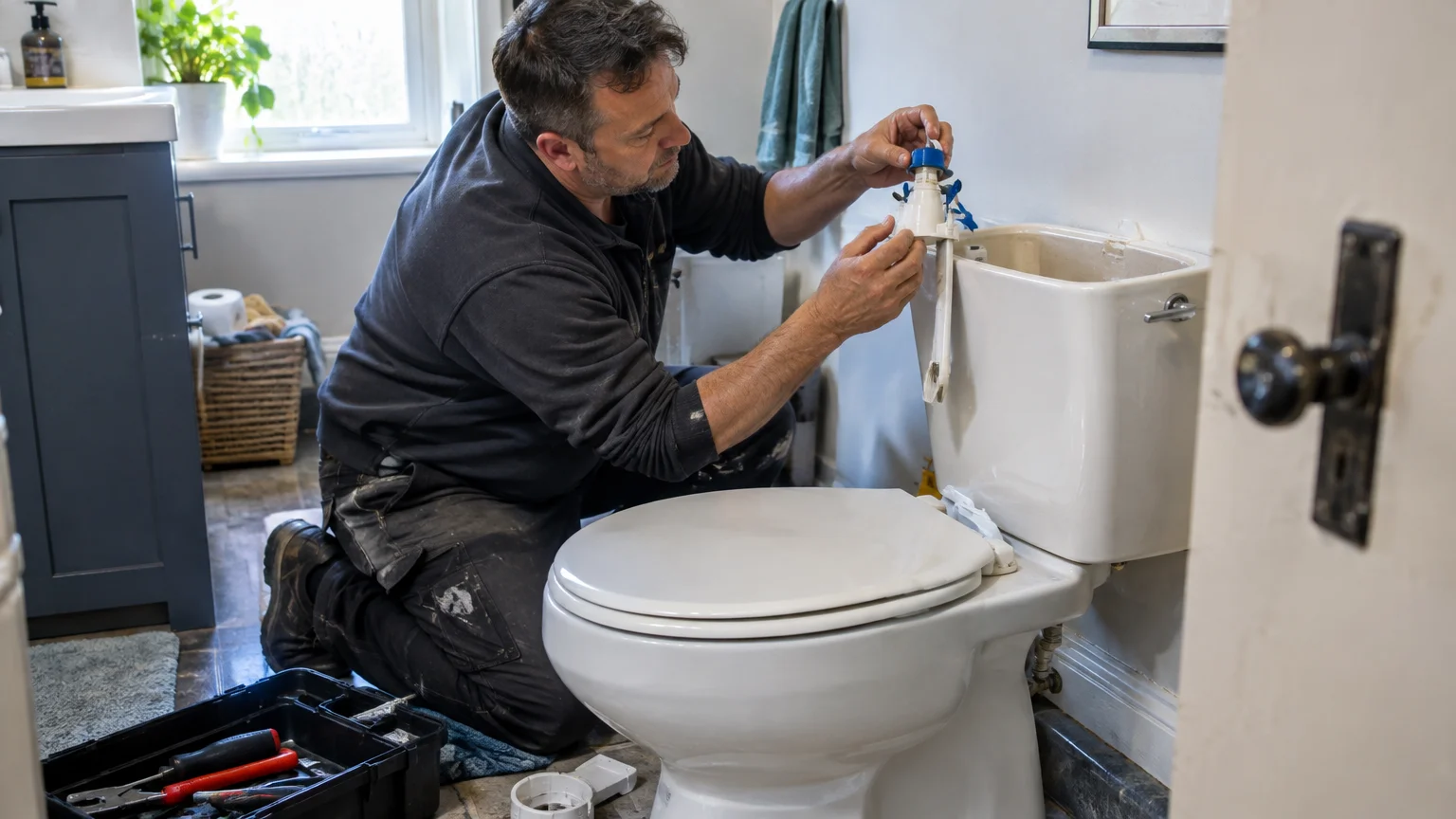
A toilet that keeps running may have a worn flapper, bad fill valve, or stuck handle. Homeowners can check whether the handle moves freely and whether the flapper closes. Shut off the water before removing tank parts.
A homeowner may handle a simple fill valve replacement when the valve and part are easy to identify. Drain the tank first and keep the work area dry. If the valve will not close or the supply connection leaks, professional help is safer.
A toilet bowl fill valve repair is not always the answer. The problem may come from the flapper or overflow tube. If the cause is unclear, a toilet repair plumber can test the parts and protect the floor from water damage.
Which toilet features are worth considering?
The best features solve a real household need. Do not add complex parts only because they look modern. Check each feature for comfort, cleaning, repair access, and part availability.
Quiet-close seats, bidet functions, and touchless flushing
A quiet-close seat can reduce slamming and help protect the toilet and nearby walls. The seat should fit the bowl shape and have hinges that are easy to clean.
Bidet functions may improve hygiene and comfort. They need a suitable water connection and, for some models, a safe electrical connection. Electrical work near water should follow local rules.
Touchless flushing can reduce contact with the flush handle. It may use batteries, sensors, or a power connection. The sensor must be cleaned, and the power source may need replacement.
These features can help, but a basic toilet with reliable parts may be better for a rental, guest bath, or property with limited maintenance support.
Ease of cleaning, replacement parts, and long-term maintenance
A smooth one-piece design may have fewer places where dust collects. A skirted base can make floor cleaning easier, but it may make bolt access harder during service.
The seat should come off without harming the bowl. The tank should allow access to the fill valve, flapper, and flush valve. These parts wear over time and should not be hidden behind permanent finishes.
Keep the model number and installation guide. They help identify the correct flapper, fill valve, flush button, seat, and tank hardware. Universal parts do not fit every toilet.
A soft brush and mild cleaner are usually enough for routine care. Do not pour harsh drain chemicals into a toilet. They can damage seals, surfaces, and create risks during later repairs.
When should you replace a toilet instead of repairing it?
Repair often makes sense when the bowl is sound and the problem comes from a replaceable part. Replacement may be better when the toilet is cracked, unstable, badly stained, poorly matched to the room, or affected by the same failure again and again.
Signs that indicate replacement may be the better option
A crack in the bowl or tank can let water escape and may grow worse. A loose toilet may point to damaged hardware, a failed seal, or a problem with the closet flange.
Replacement may make sense when the toilet clogs often despite proper use and repairs. The cause could involve the bowl, trapway, vent, drain, or sewer line. Find the cause before choosing a new fixture.
A toilet that keeps running may need only a new flapper or fill valve. Consider whether the bowl, tank, and other parts are still in good shape. If several parts fail together, a new toilet may be more reliable.
Water around the base needs quick attention. It may come from a bad seal, cracked bowl, loose supply connection, or condensation. Clean the water and check the source before floor damage spreads.
Plumbing conditions to check before installation
The floor should be stable, and the flange should be secure. A toilet should not rock after the mounting nuts are tightened. Avoid over-tightening because it can crack the porcelain.
Check the drain and vent when the old toilet had repeat clogs or poor flushing. Replacing the fixture alone may not correct a blocked or poorly vented system.
The supply valve should close fully and remain easy to reach. A corroded valve may leak when the old toilet is removed. Address that issue before fitting the new supply line.
A commercial restroom may need stronger fixtures, different clearances, or accessibility planning. Confirm the intended use before ordering a home toilet for a busy public space.
How do you choose and install the best toilet for your home?
The best toilet fits the room, matches the rough-in, suits the users, and offers steady performance. A short checklist can narrow the choices before installation. Professional advice can prevent damage when the plumbing or floor is uncertain.
A practical checklist for comparing toilet models
- Measure the rough-in from the finished wall to the center of the floor bolts.
- Check room clearance around doors, walls, cabinets, tubs, and showers.
- Choose the bowl shape that offers comfort without blocking the room.
- Compare toilet height with the needs of children, adults, and users with mobility limits.
- Review water use and performance data from the maker and trusted testing sources.
- Confirm replacement parts for the flapper, fill valve, flush valve, seat, and tank hardware.
- Inspect the flange, shutoff valve, floor, drain, and vent before fitting the fixture.
A homeowner can safely handle basic checks, cleaning, and some simple repairs when the shutoff valve works and the cause is clear. Turn off the water first. Drain the tank and keep the work area dry.
When professional plumbing advice can prevent installation problems
A professional should help when the toilet rocks, the flange is damaged, the floor is soft, or the supply valve will not close. Help is also important when water leaks from the base, several fixtures drain slowly, or the toilet stays clogged after basic repairs.
Professional installation may be safer for wall-hung toilets, bidet seats with electrical needs, unusual rough-ins, and bathrooms that need layout changes. The installer can check the connection, seal, level, supply line, and flush operation.
Hudsonville Plumbing provides plumbing guidance for homes and properties in the main Hudsonville area, from Georgetown Township and Jamestown to Jenison, Grandville, Zeeland, Wyoming, and nearby communities. A local fixture plumber can compare options, inspect existing conditions, and plan toilet repair or installation when a simple replacement is not enough.
Frequently Asked Questions
How do you choose a toilet for a small bathroom?
Measure the rough-in, bowl projection, door swing, and space beside nearby fixtures first. A round-front or compact elongated toilet may fit better than a full elongated model. The tank also needs repair access. The final choice should leave room for cleaning and comfortable use.
How do you fix a toilet that keeps running?
A running toilet often has a worn flapper, wrong water level, stuck handle, or failing fill valve. A homeowner can check these parts after shutting off the water. If the cause is unclear or the shutoff valve leaks, a plumber should inspect the toilet.
What is the difference between a comfort-height and standard toilet?
A comfort-height toilet has a taller bowl and seat than a standard model. Many taller adults find it easier to use, while children and shorter users may prefer a lower fixture. Consider balance, mobility, and seat thickness before choosing.
Is a pressure-assisted toilet better than a gravity toilet?
Neither system is best for every home. Pressure-assisted toilets can provide strong flushing, but they may be louder and use different service parts. Gravity toilets are familiar and often simple to maintain. Let the layout, user needs, noise level, and plumbing condition guide the choice.
Can a homeowner repair a toilet fill valve?
A homeowner may replace a fill valve when the water shuts off fully and the part is easy to identify. Close the supply before draining the tank. Professional help is safer when the valve will not close, the connection is corroded, or water leaks during the repair.
Key Takeaways
- Measure the rough-in and bathroom clearances before choosing a toilet.
- Match bowl shape, height, and flush style to the people using the room.
- Compare water use with flush performance and repair access.
- Inspect the flange, floor, supply valve, drain, and vent before installation.
- Use professional help when leaks, cracks, repeat clogs, or damaged plumbing are present.
Conclusion
Choosing a toilet involves more than matching a color or style. The fixture must fit the rough-in, leave enough room, support comfortable use, and work with the property’s plumbing system. Water use, flush power, cleaning, and replacement parts also matter.
Simple checks and routine care are often safe for homeowners. A clear running-toilet problem may need only a flapper or fill valve. Cracked porcelain, damaged flanges, unstable floors, hidden leaks, and repeat clogs need a careful inspection.
Hudsonville Plumbing helps property owners make informed fixture choices. Contact us to discuss toilet selection, repair, or installation needs in Hudsonville.