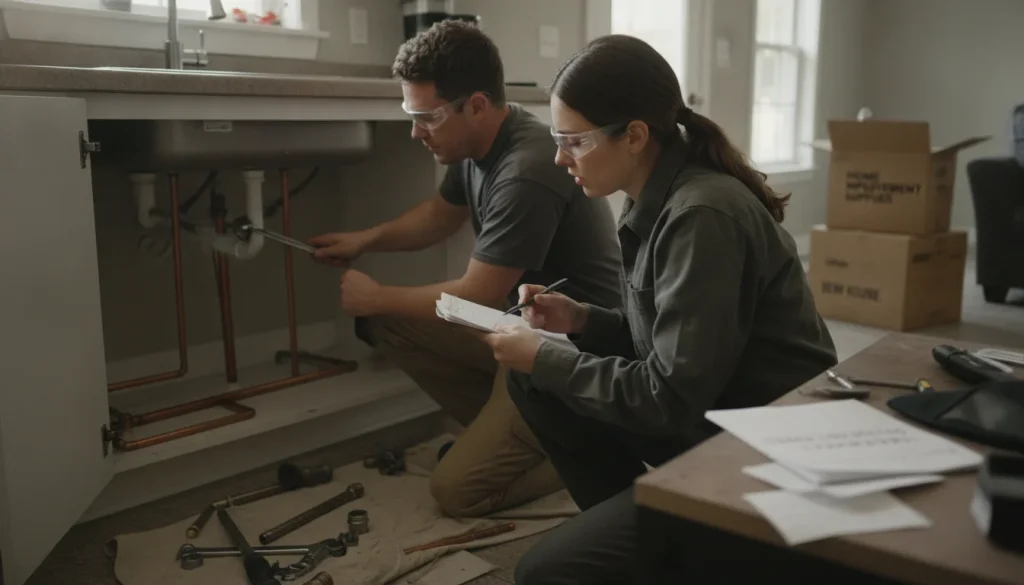
Moving in and finding a drip or a slow tub drain is common for new owners. Here is the direct answer: plumbing repair costs after buying a house vary based on the specific issue, pipe age and material, how accessible the work area is, and whether code updates or permits are required. Simple fixes can be fast, while hidden damage behind walls or under slabs can take planning. Hudsonville Plumbing works across Hudsonville every week, helping new buyers prioritize and sequence repairs with clear steps instead of guesswork.
Key Takeaways
- Costs depend on problem type, pipe materials, access, and code/permit needs.
- Triage leaks first, then schedule drain cleaning and water heater care.
- Camera and pressure tests help uncover hidden issues before larger work.
- DIY simple maintenance; leave gas, venting, and re-pipes to licensed pros.
1. What homeowners usually fix first
Leak detection and pipe repairs. Leak detection pinpoints water loss using acoustic tools, moisture meters, or dye tests. Small leaks often stem from worn joints, valves, or pinholes. When access is open (e.g., a basement ceiling), repairs are typically quicker; inside finished walls or slabs, they require careful planning and restoration. In older Hudsonville homes with mixed materials, joints and transitions deserve special attention.
Drain cleaning and sewer line repairs. Drain cleaning clears clogs in sinks, tubs, and main lines. A sewer line is the buried pipe that carries wastewater to the municipal main. Roots, grease, and offset joints are common culprits, especially near mature trees. A sewer camera can reveal cracks, bellies (low spots that hold water), and intrusions early so you can plan work before backups return. During emergencies, many people search for an emergency plumber near me; scheduling preventive cleaning can help avoid that scramble.
Water heater repair or replacement. A water heater supplies hot water for showers, laundry, and dishes. Typical tank lifespan is about 8–12 years, depending on water quality and maintenance. Common fixes include heating elements, thermostats, or igniters. If the tank is at end of life or leaking, a permitted replacement with proper venting and an expansion tank (when a pressure-reducing valve is present) is often the safer and more reliable route.
Toilet, faucet, and shutoff valve replacements. A shutoff valve isolates water to a single fixture. After move‑in, owners frequently replace worn toilets, dripping faucets, and stuck valves. These swaps can reduce wasted water—WaterSense‑labeled fixtures are designed to use at least 20% less water compared to standard models—and resolve nuisance drips.
Emergency and after-hours premiums. Night, weekend, or holiday work can include an urgency premium to cover rapid response and additional staffing. If a burst pipe occurs, fast help limits water damage and mold risk. Plan ahead with clear shutoff knowledge to control emergencies until help arrives.
2. What drives the cost of post-purchase plumbing work
Age and material of pipes (galvanized, copper, PEX). Galvanized steel corrodes internally, narrowing flow over decades. Copper is durable but requires correct joining methods to avoid pinholes. PEX is a flexible plastic line that resists scale and can simplify reroutes. Mixed systems and older homes in Hudsonville may need extra fittings, support, and testing.
Access, permits, and required code upgrades. Work behind tile, in slabs, or in tight crawl spaces takes more time. Some repairs require permits and inspections. Code updates improve safety—examples include proper venting, bonding of metal piping, and expansion tanks where closed systems exist. Many jurisdictions cap residential static water pressure at 80 psi; if readings exceed this, a regulator and related updates may be required.
Labor rates, trip charges, and minimums. Professional rates reflect training, tools, and travel. A trip charge covers getting to your home, and minimum time blocks ensure a viable service visit. Coordinating multiple small tasks into one visit can reduce repeat mobilization.
Hidden issues: roots, corrosion, low pressure. A slow drain can hide root growth; green or blue stains may indicate copper corrosion; low pressure might point to a failing regulator or sediment. Targeted tests—camera inspection for drains and a pressure test for supply lines—help confirm scope before opening walls.
Condo/HOA and multi-unit considerations. Shared walls and vertical stacks limit access times and may require advance notice. Associations often mandate proof of insurance and licensed contractors. Align work windows with HOA rules to avoid delays.
3. Buyer checklist: inspections, budgeting, and planning your first year
How to read inspection and sewer camera reports. Focus on static water pressure readings, main shutoff location, visible fixture leaks, and the water heater manufacture date. A good sewer camera report lists pipe material, joint types, root intrusions, cracks, bellies, and any standing water.
Set a first‑year reserve (1–3% of purchase price). A first‑year reserve helps manage unknowns after closing. Start with one to three percent of the purchase price and use it for priority fixes first, such as active leaks, unsafe venting, or a failing pressure regulator.
Home warranty vs. licensed plumber: what’s covered. Warranties may cover select parts but often exclude code upgrades and access work. A licensed plumber can diagnose, pull permits, and complete code‑compliant repairs. Review response times, exclusions, and claim limits before deciding which path to follow.
When a second opinion or pressure test is worth it. For larger scopes, a second opinion is smart. A pressure test checks for hidden leaks without opening walls. Combine results with camera footage to confirm scope and plan phases if needed.
Mention services that fit your plan. Emergency Plumbing is there when a pipe bursts at 10 pm. Kitchen Plumbing addresses supply and drain issues under sinks. Gas Line Plumbing requires a licensed pro for safety and code compliance. Radiator Repairs and Garbage Disposal Repair handle system‑specific faults that often surface in the first months after move‑in. Water Heater Repair can extend equipment life when replacement isn’t yet necessary.
4. DIY or call a pro? Safe tasks vs. projects to leave to licensed plumbers
Quick wins: clogs, aerators, flappers, and supply lines. Many owners can clear simple clogs with a plunger or a hand auger. Faucet aerators unscrew for cleaning. Replacing a toilet flapper stops running water. Swapping a flexible supply line is reachable DIY if shutoffs work and threads are sound.
Jobs that risk leaks, mold, or code violations. Opening walls, cutting and joining pipe, moving gas lines, or altering vents can create hidden leaks and safety hazards. These are best left to licensed plumbers who can test, document, and close permits correctly.
Safety, insurance, and resale disclosure implications. Unpermitted work can affect insurance claims and appraisals. Keep receipts, permit numbers, and inspection sign‑offs. Clear records protect value at resale and support future maintenance planning in Hudsonville.
Conclusion. Most post‑purchase fixes are manageable with a plan. Address active leaks first, then schedule drain cleaning or water heater care. Build a reserve and document every step. Hudsonville Plumbing can guide next steps so you spend where it matters and the surrounding area.
Key takeaways
- Plan a first‑year reserve and handle active leaks first.
- Pipe age, access, and code needs determine scope and time.
- Get camera and pressure tests before authorizing big jobs.
- DIY simple maintenance; hire licensed pros for risky work.
- Keep permits and records to protect resale value.
Frequently Asked Questions
What should I fix first after closing if I find plumbing issues?
Start with any leak or safety issue. Shut off water to the affected area, then address active leaks, failed shutoff valves, and clogged main drains. Next, plan water heater service and inspect exposed piping. Document each step and keep receipts for your records.
How can I predict plumbing repair costs in an older home?
Weigh system age, pipe materials, and access. Galvanized or mixed piping often requires more fittings and time. Camera the sewer line and perform a pressure test to expose hidden issues. Local codes and permits may add steps; obtain a written scope from a licensed plumber before work begins.
Is a home warranty worth it for plumbing after I buy?
It depends on coverage limits and exclusions. Warranties may cover select components but often exclude code upgrades and access. A licensed plumber can provide a complete diagnosis and permitted repair. Compare response times, scope, and terms before choosing a path.
Hudsonville Plumbing serves homes and nearby neighborhoods with licensed help and clear advice. For fast scheduling and options that fit your plan, Contact us.